
All slots on Feral can function as a VPN if you need one. This article will take you through the installation and usage of OpenVPN. You do not need any pre-assumed knowledge or experience to use this guide.
All the installation does is put a copy of the configuration, keys and certificates files onto your slot. You can download them from the directory ~/private/vpn/ to your computer using an SFTP program.
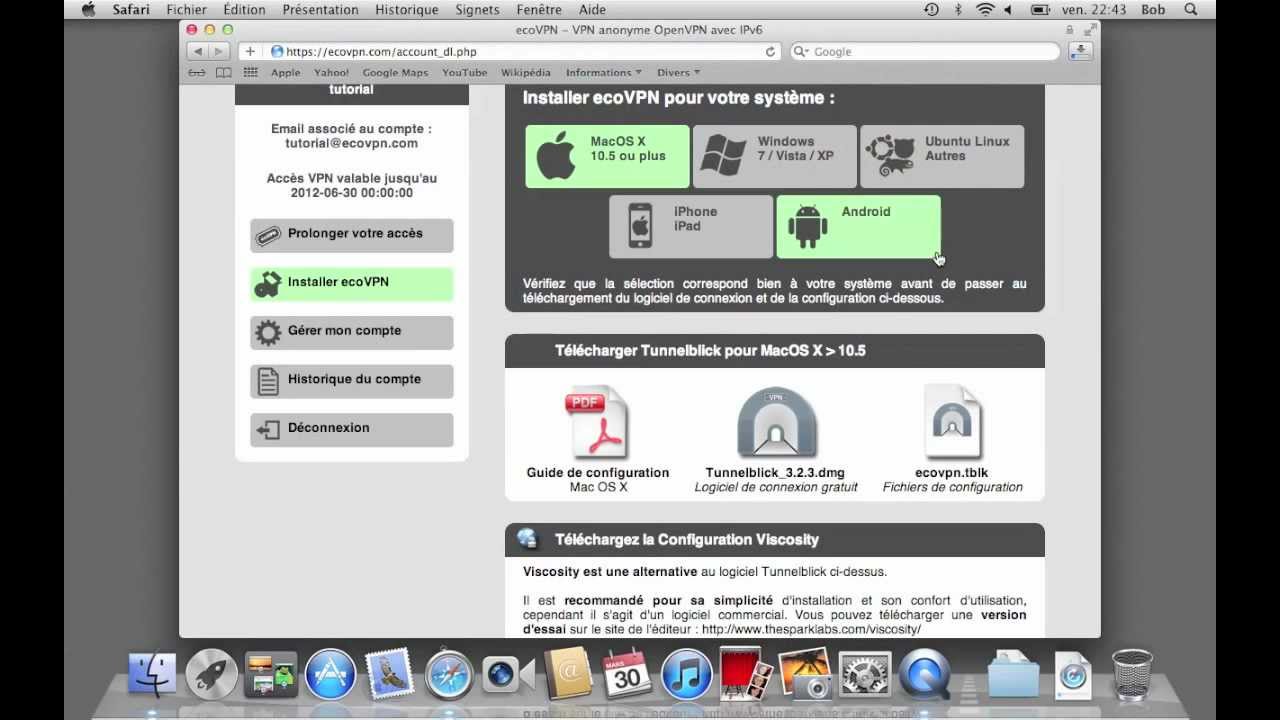
Tunnelblick is a simple graphical user interface for the great VPN software OpenVPN 2.0 and higher. It is written in Cocoa and comes in a ready to use distribution with all necessary binaries. OpenVPN provides flexible VPN solutions to secure your data. To be able to use OpenVPN on Mac OS you need to use Tunnelblick client. Follow our step-by-step guide, or watch our short video. Download latest Tunnelblick version from the official website. Double click to install Tunnelblick. Now you should able to see Tunneblick in the right top corner. Download.ovpn configuration files from our dashboard. The Tunnelblick application is one of the alternative ways to connect to NordVPN servers on your Mac. This is a good option for those who prefer a manual connection and like tinkering with open-source software. That said, it lacks the additional features of the NordVPN native app but still uses the same VPN protocol — OpenVPN.
Windows
Tunnelblick App
You'll need to download the OpenVPN client for windows. You'll need to download the config and the keys folder as above and place them in the OpenVPN config folder on your computer. They keys and certificates should remain in the keys folder. You may first need to download to somewhere like My Documents and then manually copy them into the config folder.

Open the OpenVPN client (you may need to do this as an administrator), right click its icon from the taskbar and select Connect.
macOS
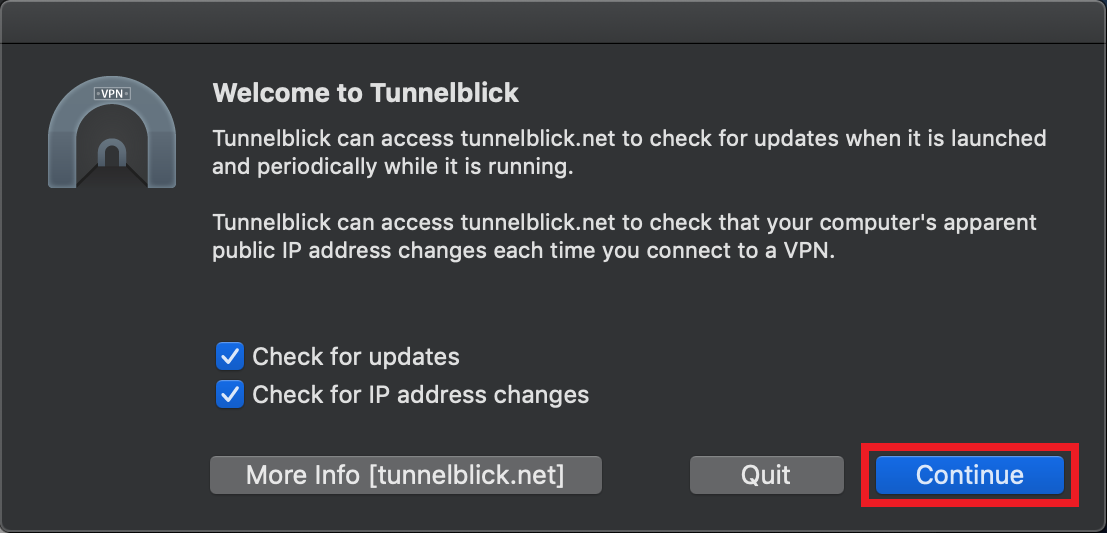
The networking stack of macOS has VPN support built-in, but you may find a dedicated client offers better configuration and is easier. Tunnelblick is a free option you can try; another (paid) option is Viscosity.
Tunnelblick
To import into Tunnelblick, create a folder on your computer named feral. Copy all the config, key and cert files into this folder from your slot (location ~/private/vpn/) and add the extension .tblk. You should then be able to double click the icon to install the configuration.
Viscosity
In Viscosity's Preferences, click the + and select Import Connection. Navigate to and select the client.ovpn file you previously downloaded. Viscosity will then import all the necessary keys and certificates.
You may need to adjust some authentication settings. In Preferences, select Authentication and make sure the Tls-Auth direction is set to 1.
Linux
Debian
Open your Network settings, select the + button and choose VPN. Then choose import from file and select client.ovpn
Android
You should of course first download the app from the Play Store. Transfer the contents of ~/private/vpn/ and make sure that the client.ovpn and keys files are in the same directory on your device.
Tunnelblick Ios
Open the app on your device and select, Menu, Import then Import Profile from SD card. Navigate to the client.ovpn file and select it.
When you first go to connect you'll be prompted to confirm that you trust the application. You should allow this if you wish to connect.
Tunnelblick Android Phone
iOS
Tunnelblick Android App
Download OpenVPN Connect from the app store and open up iTunes on your computer. On your devices file sharing tab, navigate to and select OpenVPN Connect from the list of apps. Add the client.ovpn file and the contents of the keys folder (rather than the folder itself) to OpenVPN Connect's folder.
Tunnelblick Android
After starting the app on your iOS device you'll be prompted to add a new connection. Do so by pressing the + sign. It should then import the necessary details.
Comments are closed.