
-->
- Microsoft Windows Terminal Services Send Ctrl Alt Del
- Windows Terminal Microsoft Docs
- Microsoft Terminal Service
- Microsoft Windows Terminal Services Remote Connection Manager
Windows Server 2019 Edition: Ideal for: Licensing model: CAL requirements: Pricing Open NL ERP (USD) Datacenter. Highly virtualized datacenters and cloud environments. Windows Server CAL. Physical or minimally virtualized environments. Windows Server CAL. Small businesses with up to. Description The Windows Terminal is a modern, fast, efficient, powerful, and productive terminal application for users of command-line tools and shells like Command Prompt, PowerShell, and WSL. If this event is found, it doesn’t mean that user authentication has been successful. This log is located in “Applications and Services Logs - Microsoft - Windows - Terminal-Services-RemoteConnectionManager Operational”. Enable the log filter for this event (right-click the log - Filter Current Log - EventId 1149).
Microsoft introduced this concept by releasing terminal services as a part of the Windows Server operating system. Terminal services have been an integral part of Windows Server OS editions beginning with Windows NT 4.0. With the release of Windows Server 2008 R2, terminal services were renamed remote desktop services (RDS).
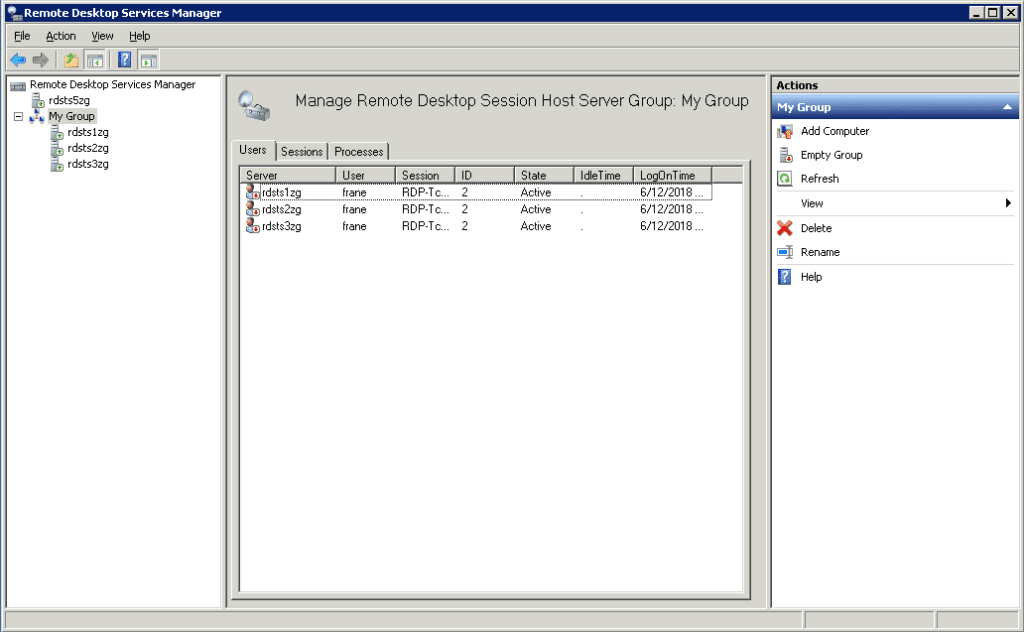
Remote Desktop Services (RDS) is the platform of choice for building virtualization solutions for every end customer need, including delivering individual virtualized applications, providing secure mobile and remote desktop access, and providing end users the ability to run their applications and desktops from the cloud.
RDS offers deployment flexibility, cost efficiency, and extensibility—all delivered through a variety of deployment options, including Windows Server 2016 for on-premises deployments, Microsoft Azure for cloud deployments, and a robust array of partner solutions.
Depending on your environment and preferences, you can set up the RDS solution for session-based virtualization, as a virtual desktop infrastructure (VDI), or as a combination of the two:

- Session-based virtualization: Leverage the compute power of Windows Server to provide a cost-effective multi-session environment to drive your users' everyday workloads.
- VDI: Leverage Windows client to provide the high performance, app compatibility, and familiarity that your users have come to expect of their Windows desktop experience.
Within these virtualization environments, you have additional flexibility in what you publish to your users:
Microsoft Windows Terminal Services Send Ctrl Alt Del
- Desktops: Give your users a full desktop experience with a variety of applications that you install and manage. Ideal for users that rely on these computers as their primary workstations or that are coming from thin clients, such as with MultiPoint Services.
- RemoteApps: Specify individual applications that are hosted/run on the virtualized machine but appear as if they're running on the user's desktop like local applications. The apps have their own taskbar entry and can be resized and moved across monitors. Ideal for deploying and managing key applications in the secure, remote environment while allowing users to work from and customize their own desktops.

Windows Terminal Microsoft Docs
For environments where cost-effectiveness is crucial and you want to extend the benefits of deploying full desktops in a session-based virtualization environment, you can use MultiPoint Services to deliver the best value.
With these options and configurations, you have the flexibility to deploy the desktops and applications your users need in a remote, secure, and cost-effective fashion.
Microsoft Terminal Service
Next steps
Microsoft Windows Terminal Services Remote Connection Manager
Here are some next steps to help you get a better understanding of RDS and even start deploying your own environment:
- Understand the supported configurations for RDS with the various Windows and Windows Server versions
- Plan and design an RDS environment to accommodate various requirements, such as high availability and multi-factor authentication.
- Review the Remote Desktop Services architecture models that work best for your desired environment.
- Start to deploy your RDS environment with ARM and Azure Marketplace.
Comments are closed.