
Apple WWDC announced the news of iTunes being killed in the macOS Catalina. Three different apps will replace the media management feature of iTunes. The iOS sync, backup and restore feature will go to the Finder app, continuing serving you to back up your valuable information and files.
So how to use the Finder to manually backup iPhone on macOS Catalina? Are there any differences?
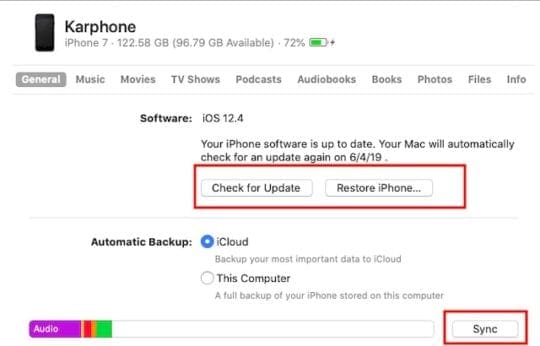
IPhone and iPad users who use Mac for syncing and backups have encountered many changes after upgrading to macOS Catalina. One major change is that iTunes is going away. However, you can still back up an iPhone without iTunes and restore an iPhone without iTunes, but to do that, you will have to use Fin. Restoring your iPhone from a previous backup is still a simple process using your Mac, but the way it works has changed since Apple killed off iTunes with the macOS Catalina update. Now you must use Finder to both back up and restore your iPhone, which can take a little getting used to.
Being one of Apple developers, I am able to download macOS Catalina beta installer to get the first hand of this update for a test. And the process of making an iPhone backup on Catalina is almost the same as it in the previous macOS.


The only difference is that all these features now work on the Finder app, instead of the iTunes app. Just follow me to experience the new iPhone backup and restore process for the 2019 macOS big update – Catalina.
Step 1. Go to Finder > Locations (Left Navgation), then you’ll find your iPhone icon.
Step 2. After you choose your iPhone, you will get the management panel for your iPhone. And there will show you several menus for Sync, Backup and Restore data on your iPhone devices.
Step 3. Just select General selection, you can find the Back Up Now option helping you make iPhone backup manually on Catalina.
Restore Iphone Mac Os Catalina Reviews

Step 4. The following steps are as same as it goes before while using the iTunes app. You can follow the onscreen steps to finish all the backup process.
Backing up iPhone on Catalina takes minutes or hours, depending on what is stored on your device, macOS processing speed and USB/Wi-Fi connecting speed.
How to Restore iPhone on Catalina?
On the General section, the button Restore Backup…, still plays the role of letting you restore the device from the backup you’ve created.
The Differences?
The difference is that a new button named Manage Backups helps you quickly manage the iOS backups on your Mac computer. (This button is previously not provided. )
Conclusion
Although the iTunes app is gone from the coming macOS Catalina, the basic features of iTunes still exist on the separated apps, like music and finder. For someone who thought iTunes is bloated, this change could be good news. since it makes the thing simple to manage specific data across Apple devices.
For people who are willing to sync, back up and restore iPhone on Mac computer, the new macOS Catalina still works using the new Finder, and this method is simple, reasonable and natural, and people will quickly get used to it.
If you have regularly synced your iPhone or iPad on a Mac computer, you should know that the new macOS Catalina will prove confusing for most iOS users. This is because iTunes will no longer be available on your Mac once you update to Catalina 10.15. Instead users need rely on Finder to back up and restore their iPhone/iPad.
If you are wondering how that can be possible, you are not alone. To answer numerous questions on this issue from our users, we've finally decided to address the process of backing up and restoring an iPhone with Finder in macOS Catalina. Also, we'd like to show an alternative way to backup & restore iPhne without using Finder.
Part 1. How to Backup iPhone in macOS Catalina
To back up your iPhone on Mac running macOS Catalina 10.15, follow these simple steps:
- Step 1: Begin by connecting your iPhone or iPad to the Mac computer using USB cable.
- Step 2: Now open Finder. You can do that using Command + N on your keyboard.
- Step 3: In the left column of the Finder window, you should see 'Locations' section. Look for your device under this section and click on it.
- Step 4: You should see information about the device on the right. Click on 'General' and then look for the 'Backups' section. You should see two options: Backup your important data to iCloud or Backup all of the data on your iPhone to this Mac.
- Step 5: Choose the second option to back up the device on your computer and then click 'Back Up Now' to begin the backup process.
Note: If you are plugging your iPhone or iPad to the Mac computer for the first time, you will be asked to pair the two device. Click on 'Pair' in Finder and tap 'Trust This Computer' on your device.
Part 2. How to Restore iPhone in macOS Catalina
If you would like to restore the backup back on to your iPhone, follow these simple steps:
- Step 1: Connect your device to the computer and then open Finder (Command + N).
- Step 2: Look for the device in the Locations section and click on it.
- Step 3: When information about the device appears on the right, click on 'General' and then look for the 'Backups' section.
- Step 4: Click on 'Restore Backup' and select the backup you want to restore in the popup window.
- Step 5: Enter your password and then click 'Restore' to begin the process.
Part 3. How to Manage iPhone Backups in macOS Catalina
When you backup your iPhone or iPad on the Mac using the process described above, the old backups are not removed. Actually, the process creates a new backup file every time. Although this may come in handy when you need to restore the device from a different point, multiple backups can take up large space on your Mac. Follow these simple steps if you would like to delete some of them:
- Step 1: Using a USB cable to connect your iPhone or iPad to the computer and open Finder.
- Step 2: Click on the device under locations and then tap 'General' in the right hand side of the window.
- Step 3: In the 'Backups' section, locate the 'Manage Backups' option and click on it.
- Step 4: A list of the backups on the Mac will appear. Each one will be labeled with the date and name of device. Select the one you would like to delete and click 'Delete Backup'.
Part 4. Backup & Restore iPhone without Finder in macOS Catalina
If you would rather not use Finder to back up and restore the device or you would like an easier and more secure way to do the task, here we recommend using FoneGeek iOS Data Backup & Restore. This tool makes it very easy for iOS device users to backup and restore the data on their devices in a single click. Some of the program's features include the following:
- It can back up iPhone or iPad to Windows PC or Mac computer in a single click.
- It allows you to preview the contents in the backup and thereby only restore data you need from backup to the device.
- It supports backup and restore contacts, text messages, notes, photos, videos, WhatsApp, Viber, voice memos, and more data on iPhone/iPad
- It also provides the option to selectively restore data from backups created with iTunes or iCloud.
- It is very simple to use even for beginners, no technical knowledge is required.
- It supports all iOS devices and all versions of the iOS firmware, including iPhone 11/11 Pro, iPhone XS/XS Max/XR, iPad Pro etc. running on iOS 13/12.
Here's how to backup iPhone or iPad without Finder on macOS Catalina:
Step 1: Download and install the iPhone Backup & Restore tool on to your computer, then launch it and connect your iPhone to the computer. From the options in the home interface, select 'Backup & Restore' to begin.
Step 2: Now select the types of file you wish to backup and then click 'Backup' to begin the backup process.
Step 3: Ensure your device is connected to the computer until the backup is complete. Once completed, you can choose to view backup data.
Mac Os Catalina Download Dmg
Here's how to restore data from backup to iOS device without Finder:
Step 1: In the program's main window, select 'Backup and Restore'. Connect your device to the computer and then choose 'To view or restore previous backup files' from the lower left corner.
Step 2: If you want to restore the backups created using this tool in the past, select the backup file and click on 'View' to proceed.

Step 3:Simply select the files you would like to restore and then click 'Restore to Device'. In a few seconds all the selected data will be restored back on to the device.
Conclusion
There is officially a new way to backup and restore your iPhone on Mac and as you can see from the steps above, the process is quite easy. But a third-party tool like FoneGeek iOS Data Backup & Restore will do things no other backup and restore solution can do; it will allow you to selectively restore data back on to the device. Try it today and share your thoughts on it or any other iOS data issue with us in the comments section below and we'll do our best to find solutions.
Joan J. Mims is interested in researching all tips about iPhone, iPad and Android. He loves to share useful ideas with all users.
Comments are closed.